Rare Disease Day a Reminder of the Importance of Research
The University of Notre Dame’s Warren Family Research Center for Drug Discovery and Development is focusing on collaboration, as it continues a rich history in therapeutic discovery.
The University of Notre Dame’s Warren Family Research Center for Drug Discovery and Development is focusing on collaboration, as it continues a rich history in therapeutic discovery.
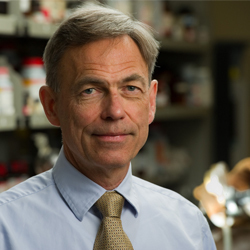
For decades, professor Paul Helquist has partnered with colleagues in Sweden to send undergraduate and graduate chemistry students to each others’ laboratories—around 50 in total—to perform research at Notre Dame, the University of Stockholm, Gothenburg University, the Royal Institute of Technology in Stockholm as well as the Astra Zeneca pharmaceutical lab near Gothenburg. Students from Notre Dame obtain valuable experience working in an international lab in a country which has a long-standing, strong program in science and engineering, particularly chemistry.
The Office of Technology Transfer (OTT) is now accepting nominations for the 1st Source Bank Technology Commercialization competition. The winner will be revealed at the seventh annual commercialization event on April 18, 2017, and will receive a $20,000 cash award.
Gaining access to important biopharmaceuticals needed to treat illnesses and autoimmune diseases is one of the biggest obstacles developing countries face. Now, a study led by Matthew Webber, assistant professor in Notre Dame’s Department of Chemical and Biomolecular Engineering, and appearing in the Proceedings of the National Academy of Sciences reveals a new way to improve the stability of common protein drugs and extend shelf life.
Diabetes is a metabolic disease in which the body has an inability to produce enough insulin. In the United States alone, it is estimated that the illness affects nearly 30 million diagnosed and undiagnosed people, and treatment often includes patients using an intravenous or IV method to get insulin into their system. This uncomfortable and inconvenient form of treatment can require anywhere from two to four injections a day, but a Notre Dame researcher is working to combat this problem with a less frequent, oral delivery system.
Each year, SPARK, a Stanford University initiative that provides the education and mentorship in order to advance research discoveries from the bench to the bedside, hosts a diverse group to participate in a 12-day training course in biotech innovation and entrepreneurship. The program provides an understanding of how biotechnology products, such as medical devices, food science, and general medical science, and companies are created, established, managed, advertised, and funded. Ricardo Romero, graduate student of the Integrated Biomedical Sciences program and researcher in the Harper Cancer Research Institute, had the opportunity to attend the program through the Indiana Clinical and Translational Sciences Institute (Indiana CTSI).

The ADDC and AstraZeneca are pleased to announce the third annual call for proposals from the AZ-ADDC partnership. The RFP application deadline is October 31st, 2016.
At the University of Notre Dame, the Molecular Structure Facility (MSF) analyzes organic or inorganic substances at an atomic level, which allows researchers to learn about the three-dimensional structure and connectivity of the compound they have created. Knowing the molecular make-up of substances oftentimes provides faculty, postdoctoral fellows, and graduate students information about whether or not their substance is actually what was intended or even to see if their research is heading in the right direction.
As Richard Taylor completes a three-year term as associate vice president for research in June of this year, he will continue his research on drug discovery for rare genetic diseases, like NGLY1 deficiency, when he and other members of the Warren Family Research Center for Drug Discovery and Development move into the building this summer.
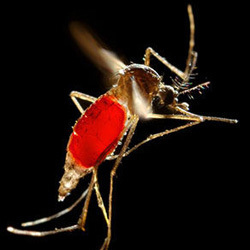
A collaboration among faculty in the Eck Institute for Global Health and the Warren Family Research Center for Drug Discovery and Development is investigating new ways to kill the mosquitoes that carry the Zika virus, dengue fever, and other dangerous diseases.

The Heart Fail Failure and Muscle Metabolism Discovery Performance Units are offering…

Building on the partnership that the University of Notre Dame formed with the Ara Parseghian Medical Research Foundation in 2010, the University has now established the Ara Parseghian Medical Research Fund and is moving the administrative functions and granting process of the foundation from Tucson, Arizona, to Notre Dame.
Through this partnership, the Parseghian family will continue their fight to find a cure or treatment for Niemann-Pick Type C (NPC) disease and will continue to help fundraise and support researchers around the world.
The Indiana Clinical and Translational Sciences Institute (CTSI) has provided support for Olaf Wiest, University of Notre Dame professor of chemistry and biochemistry, and Robert Stahelin, Indiana University School of Medicine associate professor of biochemistry and molecular biology and adjunct associate professor of chemistry and biochemistry at Notre Dame, through the Notre Dame-CTSI Project Development Team.
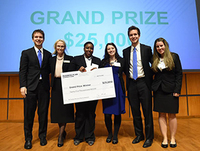
A novel platform for delivering cancer treatment drugs was the grand prizewinner of the 16th Annual McCloskey Business Plan Competition, an annual competition sponsored by the University of Notre Dame’s Gigot Center for Entrepreneurship.
The Warren Family Research Center for Drug Discovery and Development will be highlighted during the 10am hour, Monday, April 25th, live streaming NDday fundraising event. Please consider supporting the Warren Center during this opportunity. All funds go directly to support laboratory research including…

Rare Disease Day takes place annually on the last day of February. Rare Disease Day’s goal is to raise awareness amongst the general public…
Notre Dame Faculty from the Departments of Chemistry & Biochemistry and Biological Sciences have been awarded a grant from the Indiana Clinical and Translational Sciences Institute (CTSI).